
Understanding Hindu Religious Services in the U.S.
- Vedmata Gayatri J & D Kendra

- Oct 6, 2025
- 3 min read
Hindu worship practices have a rich history and deep cultural significance. In the United States, these practices have adapted to new environments while preserving their core traditions. I want to share insights into how Hindu religious services are conducted here, what they mean, and how they connect the community globally.
Exploring Hindu Worship Practices in the U.S.
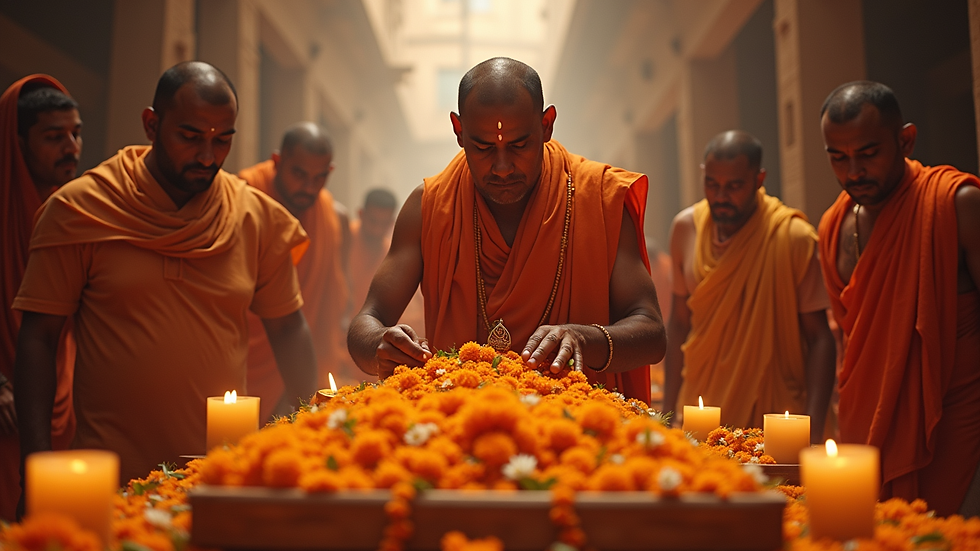
Hindu worship practices in the U.S. reflect a blend of tradition and adaptation. Temples and community centers serve as hubs for spiritual activities. These places offer a space for prayer, rituals, and festivals that bring people together. The practices include daily pujas, special ceremonies, and seasonal celebrations.
Many families perform rituals at home, maintaining daily worship routines. These include lighting lamps, offering flowers, and chanting mantras. The availability of puja materials and guidance from priests helps sustain these practices far from India.
Community events often feature cultural programs alongside religious ceremonies. This helps younger generations stay connected to their heritage. It also introduces non-Hindus to the richness of Hindu culture.

What is a Hindu religious service called?
A Hindu religious service is commonly called a puja. Puja is a ritualistic worship that involves offerings to deities, chanting of prayers, and sometimes elaborate ceremonies. It can be simple or complex, depending on the occasion.
Pujas are performed for various reasons - to seek blessings, celebrate festivals, or mark life events like weddings and housewarmings. The rituals involve specific steps such as lighting incense, offering food, and reciting sacred texts.
In the U.S., pujas are often conducted by qualified priests who understand the traditions and languages involved. These priests guide the community through the rituals, ensuring authenticity and spiritual depth.

How Hindu Religious Services Connect the Community
Hindu religious services play a vital role in uniting the community. They provide a shared space for worship and cultural expression. Services often include group prayers, singing bhajans, and storytelling from Hindu scriptures.
These gatherings strengthen bonds among community members. They also offer support during important life moments and festivals. For many, attending these services is a way to maintain identity and pass traditions to the next generation.
In the U.S., access to hindu religious services online and offline has increased. Platforms like PANDITJIPUNE connect people with priests and puja materials worldwide. This accessibility helps preserve Hindu customs regardless of location.

Practical Tips for Participating in Hindu Worship Practices
If you want to engage in Hindu worship practices, here are some practical tips:
Find a local temple or community center - These places often host regular pujas and festivals.
Learn basic rituals - Simple acts like lighting a diya (lamp) or offering flowers can be done at home.
Use online resources - Websites and apps provide guidance on mantras, rituals, and puja materials.
Connect with priests - Qualified priests can help perform ceremonies and explain their significance.
Participate in festivals - Events like Diwali, Navratri, and Holi are great opportunities to experience communal worship.
These steps help deepen your understanding and involvement in Hindu worship practices, no matter where you live.
The Role of Technology in Modern Hindu Religious Services
Technology has transformed how Hindu religious services are accessed and performed. Virtual pujas and live-streamed ceremonies allow participation from anywhere in the world. This is especially important for those who cannot visit temples regularly.
Online platforms provide access to multilingual priests who can conduct services in various languages. They also supply essential puja materials delivered to your doorstep. This convenience supports the continuation of traditions in a busy, modern lifestyle.
Technology also helps educate younger generations about Hindu culture. Interactive apps and videos make learning about rituals engaging and accessible.
By embracing technology, the Hindu community ensures that worship practices remain vibrant and relevant.
Keeping Traditions Alive Across Borders
Maintaining Hindu worship practices outside India requires effort and dedication. The community’s commitment to preserving these traditions is evident in the growing number of temples and cultural organizations.
Services provided by platforms like PANDITJIPUNE are crucial. They offer authentic religious services and materials, helping families celebrate important rituals correctly. This support strengthens cultural identity and spiritual well-being.
By participating in these services, individuals contribute to a global network that honors Hindu heritage. It is a way to keep the faith alive and thriving, no matter where life takes you.
Understanding and participating in Hindu worship practices enriches spiritual life and cultural connection. Whether through local temples or online services, the opportunity to engage with these traditions is more accessible than ever. Embracing these practices helps preserve a timeless heritage for future generations.


Comments