
Understanding Antyeshthi Vidhi Rituals Pandit
- Vedmata Gayatri J & D Kendra
- Apr 21
- 5 min read
Antyeshthi Vidhi is a sacred Hindu ritual performed after a person's death. It marks the final rites and ceremonies that help the departed soul find peace and liberation. These rituals are deeply rooted in tradition and spirituality. They provide closure to the family and community. Understanding Antyeshthi Vidhi and finding the right pandit to conduct these rites is essential for honoring the departed with respect and authenticity.
What is Antyeshthi Vidhi Rituals Pandit?
Antyeshthi Vidhi refers to the last rites or funeral ceremonies in Hinduism. These rituals involve a series of ceremonies performed over several days, culminating in the cremation of the body. The rituals are designed to purify the soul and assist its journey to the afterlife.
A pandit who specializes in these rites is called an Antyeshthi Vidhi rituals pandit. This pandit is well-versed in the scriptures and traditions related to death ceremonies. They guide the family through each step, ensuring that the rituals are performed correctly and respectfully.
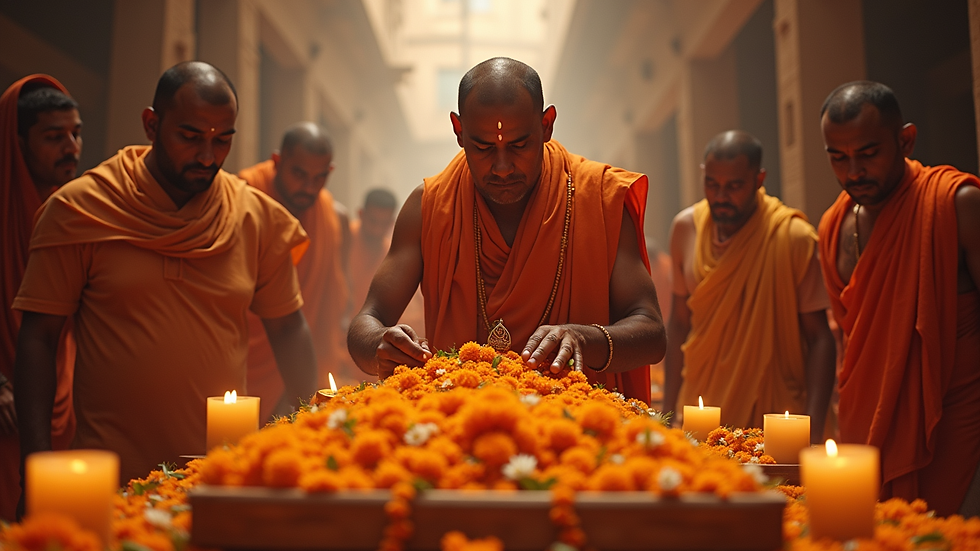
The role of the pandit is crucial. They chant mantras, perform sacred fire rituals, and advise the family on customs and practices. Choosing the right pandit can make a significant difference in how smoothly the ceremonies proceed and how meaningful they feel.
How to Find the Right Antyeshthi Vidhi Pandit
Finding the right pandit for Antyeshthi Vidhi rituals requires careful consideration. Here are some practical steps to help you select a qualified and trustworthy pandit:
Check Credentials and Experience
Look for a pandit with extensive experience in performing Antyeshthi Vidhi. They should be knowledgeable about the specific customs of your community or region.
Seek Recommendations
Ask family, friends, or community members for recommendations. Personal referrals often lead to reliable and respected pandits.
Verify Language and Communication Skills
The pandit should be able to communicate clearly in your preferred language. This ensures you understand the rituals and can participate meaningfully.
Confirm Availability
Antyeshthi Vidhi rituals often need to be performed promptly after death. Confirm the pandit's availability to avoid delays.
Discuss Fees and Services
Be clear about the fees and what services are included. Some pandits provide additional support like arranging puja materials or guiding the family through post-ritual customs.
Look for Cultural Sensitivity
The pandit should respect your family's traditions and beliefs. They should be flexible to accommodate specific customs or preferences.
By following these steps, you can find an antyeshthi vidhi pandit who will perform the rituals with devotion and professionalism.
Why 13 Days Rituals After Death?
In many Hindu traditions, the Antyeshthi Vidhi does not end with the cremation. There is a series of rituals performed over 13 days following the death. These 13 days are significant for several reasons:
Soul’s Journey
It is believed that the soul remains close to the earthly realm for 13 days. The rituals help guide the soul towards liberation (moksha).
Family Healing
The ceremonies provide a structured period for the family to grieve and begin healing emotionally.
Community Support
These days allow the community to come together, offer condolences, and support the bereaved family.
Ritual Purification
Specific rites during these days purify the home and family members, removing any negative energies associated with death.
Each day has its own set of prayers and offerings. The 13th day marks the final ceremony, often called the "Terahvin," which signifies the end of mourning and the soul’s peaceful departure.
Understanding the importance of these 13 days helps families prepare mentally and spiritually for the entire process.

Essential Rituals in Antyeshthi Vidhi
The Antyeshthi Vidhi involves several key rituals. Here is a brief overview of the most important ones:
Preparation of the Body
The body is bathed, dressed in clean clothes, and adorned with flowers. This is done with great care and respect.
Cremation Ceremony
The body is taken to the cremation ground. The eldest son or a close male relative lights the funeral pyre. The pandit chants mantras to invoke peace for the departed soul.
Post-Cremation Rites
Ashes are collected and immersed in a holy river, usually the Ganges. This symbolizes the return of the body to nature.
Shraddha Ceremony
Performed on the 10th or 13th day, this ritual honours the ancestors and seeks blessings for the departed soul.
Pind Daan
Offerings of rice balls (pindas) are made to the ancestors. This is believed to nourish the soul in its journey.
Each ritual has a specific purpose and meaning. The pandit guides the family through these steps, ensuring that traditions are upheld.
Tips for Families During Antyeshthi Vidhi
Handling the death of a loved one is emotionally challenging. Here are some practical tips to help families navigate the Antyeshthi Vidhi rituals smoothly:
Plan Ahead
If possible, discuss funeral preferences with family members in advance. This reduces confusion during difficult times.
Keep Essential Items Ready
Have puja materials, clothes, and other ritual items prepared or easily accessible.
Stay Organized
Maintain a checklist of rituals and ceremonies to be performed. This helps keep track of the process.
Seek Support
Don’t hesitate to ask for help from relatives, friends, or community members.
Respect the Pandit’s Guidance
Follow the pandit’s instructions carefully. Their expertise ensures the rituals are performed correctly.
Take Care of Yourself
Grieving is natural. Allow yourself time to rest and recover emotionally.
By staying organized and supported, families can honor their loved ones with dignity and peace.
Making Antyeshthi Vidhi Accessible Worldwide
In today’s globalized world, many Hindus live far from their native places. This can make performing traditional Antyeshthi Vidhi rituals challenging. Platforms like PANDITJIPUNE aim to bridge this gap by connecting families with qualified, multilingual priests worldwide.
Such services ensure that cultural traditions are preserved and accessible everywhere. Whether you are in India or abroad, you can find an experienced Antyeshthi Vidhi rituals pandit to guide you through the process. This helps maintain the sanctity of the rituals and provides comfort during difficult times.
Using trusted online platforms also simplifies the process of arranging puja materials and scheduling ceremonies. This convenience is invaluable for families dealing with loss far from home.
Honouring Traditions with Respect and Care
Antyeshthi Vidhi is more than just a set of rituals. It is a profound expression of love, respect, and faith. By understanding these rites and choosing the right pandit, families can ensure that their departed loved ones receive the honour they deserve.
The right pandit brings knowledge, compassion, and spiritual guidance. They help families navigate the complex ceremonies with confidence and peace of mind. Whether you are performing these rituals for the first time or seeking to uphold long-standing traditions, the right support makes all the difference.
For those seeking expert guidance, connecting with an antyeshthi vidhi pandit through reliable platforms is a wise choice. It ensures that the sacred rites are performed with authenticity and devotion, preserving the spiritual heritage for generations to come.


Comments