


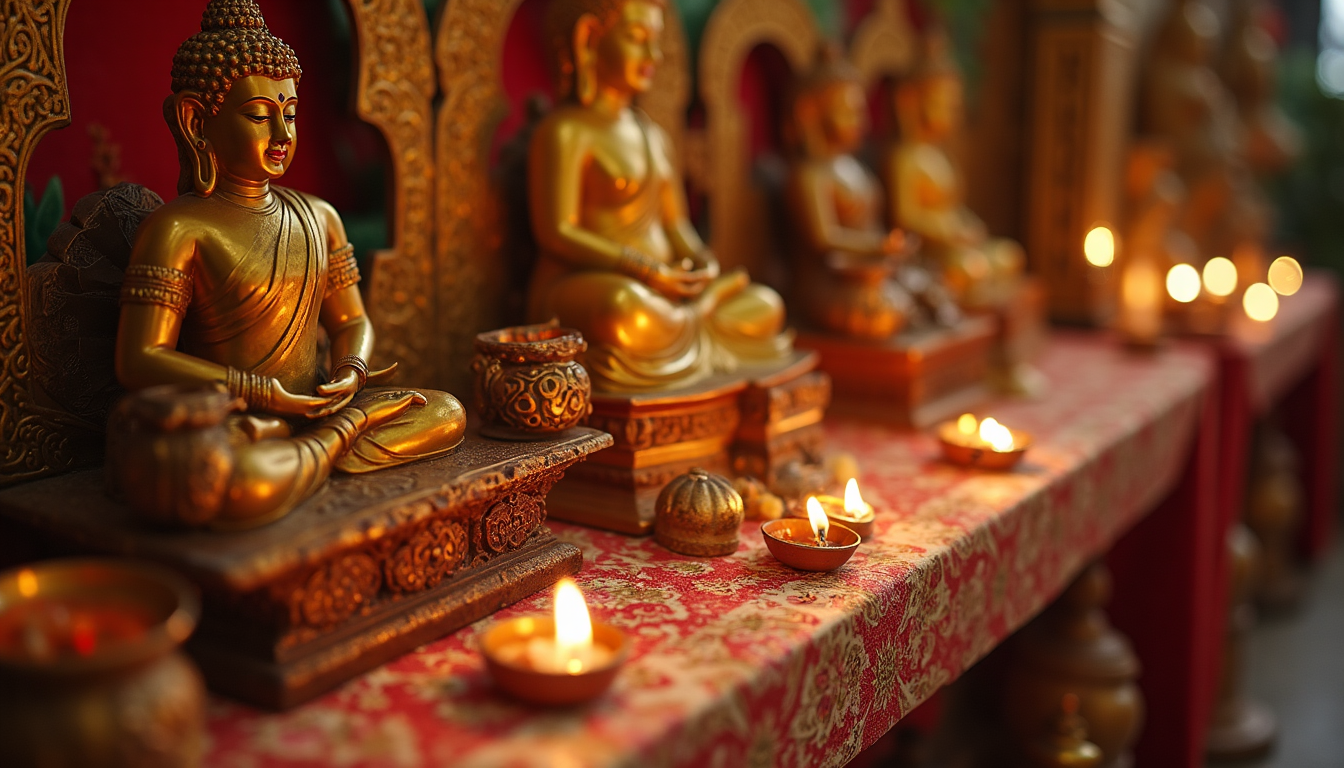
Dhantrayodashi 2026 Special blog : 5 Surprising Traditions and Hidden Rituals of Dhanteras,Traditions: Briefing Document: Rituals, Sacred Texts, and Traditions ,Study Guide, religious significance.

Beyond Gold and Silver: 5 Surprising Traditions and Hidden Rituals of DhanterasEvery autumn, as the night sky prepares for Diwali, jewelry showrooms across South Asia burst into a frenzy of activity. Long queues spill onto sidewalks, cash registers chime continuously, and shoppers emerge clutching velvet boxes of gold coins, silver ornaments, and steel kitchenware. Modern popular culture has distilled Dhanteras—traditionally known as Dhantrayodashi—into an annual consumer ritual, driven by the belief that buying precious metals on this day guarantees wealth for the coming year.Yet, focusing exclusively on retail purchases misses the profound, multi-layered spiritual architecture that underpins the holiday. Long before bullion markets existed, traditional texts and sacred folklore framed Dhanteras not as a day for material acquisition, but as a sophisticated system of holistic well-being. Look beneath the commercial surface, and you discover a festival that balances material fortune, physical health, longevity, agricultural divination, and precise sacred geometry.To truly understand this season of abundance, we must examine five counter-intuitive traditions that reveal the hidden depth of Dhantrayodashi.1. The Sacred Botany of Risk: The ₹5 Coriander Seed Financial ForecastIn an era dominated by market algorithms and digital portfolios, the traditional Indian household relied on a far more grounded method to gauge economic stability: nature itself. While millions buy gold hoping to insulate themselves against inflation, folk wisdom across multiple regions turns to an ancient agricultural forecasting ritual (totka) that costs no more than ₹5.On Dhanteras day, worshippers purchase ₹5 worth of whole coriander seeds (sabut dhaniya) and place them directly upon the family altar. The seeds remain undisturbed until Diwali night, when they are formally offered to Goddess Lakshmi during evening prayers. The following morning, practitioners scatter these sacred seeds across the moist soil of a household planter or garden bed.What follows is an organic, visual barometer for the financial year ahead:• Lush, healthy green shoots: Foretells robust economic growth, excellent financial stability, and thriving family income.• Green but thin shoots: Signals a stable yet moderate income, indicating a year of average financial performance.• Yellow, sickly shoots or no growth: Serves as a warning of upcoming financial turbulence, tight budgets, or economic strain.This tradition bridges ancient agrarian reliance with human anxiety over unpredictability. By using seed germination rather than material spending to forecast wealth, the ritual delivers a quiet philosophical reality check: true economic security cannot be bought in a showroom—it grows organically through patience, care, and cultivation.2. Confronting Mortality: Lighting a Lamp for the Lord of DeathIt seems profoundly counter-intuitive to invoke the god of death during a festival dedicated to joy and economic prosperity. Yet, the ritual of Yamadeepdaan stands as one of the most vital acts performed on the evening of Dhantrayodashi. At dusk, as darkness settles over the household, family members light a single wicks-lit lamp (diya) outside the main door, carefully positioning it to face the South direction—the realm of Lord Yama.The ancient scriptural authority Nirnayamrita, citing the Skanda Purana, reveals that this simple act carries immense spiritual potency: it directly appeases Yama, the son of the Sun God, thereby destroying or preventing apamrityu (untimely death).Mrityuna pashadandabhyam kalena shyamaya saha |Trayodashyam deepdanatsuryajah preeyatam mama."By offering a lamp outside the home facing the south direction on Trayodashi, may the son of the Sun God (Yama), accompanied by Time, his staff, and his noose, be pleased with me and ward off untimely death."This practice operates within a broader five-day Niranjan framework highlighted by Sage Narada. Spanning from Ashwin Krishna Dwadashi to Kartik Shukla Pratipada, this period mandates that early each evening, women (led by mothers) perform Aarti (Owalave) for deities, Brahmins, elders, seniors, youngsters, as well as household animals like cows and horses. Starting on this same Trayodashi, devoted practitioners may also initiate the sacred three-night Gotriratra vow (vrata).By placing the fear of mortality at the very entrance of the home, the tradition asserts a vital truth: worldly riches are entirely meaningless if the vessel of human life itself is cut short.3. The Primacy of Vitality: Prioritizing Health Over Wealth with Lord DhanvantariWhile modern celebrations elevate Goddess Lakshmi and Lord Kuber as the central deities of Dhanteras, scripture assigns equal prominence to Lord Dhanvantari. Appearing during the churning of the cosmic ocean holding the pot of divine nectar (Amrit Kalash), Dhanvantari is an avatar of Lord Vishnu and the supreme divine physician (Vaidyaraj) of Ayurveda.The tradition insists that physical health is not merely a byproduct of prosperity, but its absolute prerequisite. Without physical and mental vitality, material possessions offer zero utility. Lord Dhanvantari is worshiped to eradicate all fear and dispel disease across the three worlds.To invoke his restorative energy, practitioners chant the primary Dhanvantari Mantra:Om Namo Bhagavate Mahasudarshanaya Vasudevaya Dhanvantaraye:Amritakalasha Hastaya Sarva Bhaya Vinashaya Sarva Roga NivaranaayaTrailokya Pathaya Trailokya Nathaya Shri Mahavishnu SvarupaShri Dhanvantari Svarupa Shri Shri Shri Aushadhachakra Narayanaya Namah||"Salutations to the Supreme Lord Sudarshana Vasudeva Dhanvantari, who holds the pot of nectar, destroys all fears, cures all ailments, and reigns as the Lord and preserver of the three worlds."Worshippers may also recite the Dhanvantari Gayatri: "Om vasudevaya vidmahe vaidyarajaya dheemahi tanno dhanvantari prachodayat." By celebrating the divine physician, Dhanteras reminds us that the highest form of wealth is a body free from disease and a mind free from fear.4. Cosmic Alignment via Sacred Geometry: The Precise Blueprint of the AltarTraditional Dhanteras worship is not a casual, ad-hoc prayer; it is a ritual of precise timing and symbolic micro-architecture designed to align the domestic space with cosmic order.First, timing is absolute. Lakshmi Puja must take place specifically during Pradosh Kaal—the sacred two-hour window immediately following sunset when cosmic energies are believed to transition and settle.Second, the altar setup requires an exact structural arrangement of natural and sacred elements:• Base Setup: Lay down a clean, vibrant red cloth and set a sacred vessel (Kalash) firmly upon it.• Vessel Contents: Fill the interior of the Kalash with raw rice, exactly 21 lotus seeds, and 5 whole betel nuts.• The Upper Tier: Balance a small pot filled with Gangajal (holy water) and sugar directly atop the Kalash.• Sacred Currency & Adornments: Place silver coins above the small pot and drape the entire assemblage with a fresh garland of flowers.• Sanctified Geometry & Deities: Using turmeric over rice grains, draw a precise lotus diagram, and place the idol of Lord Ganesha immediately alongside the goddess.This ritual blueprint turns the altar into a microcosm of abundance. The lotus seeds signify spiritual purity rising from chaotic waters, the betel nuts represent stability, silver coins symbolize material flow, and Gangajal represents eternal purity.5. Addressing Vulnerability: Ancient Rigvedic Wisdom on Economic ReliefIt is easy to assume that ancient sacred texts spent little time on practical economic anxieties. However, the Rigveda (4/32/20-21) directly confronts financial hardship with profound psychological empathy, offering a dedicated prayer to the divine benefactor.Rather than addressing God as an abstract monarch, the text invokes the supreme spirit as Bhurida—the open-handed, compassionate giver who responds when all earthly avenues have failed.Om bhuridha bhuri dehino, ma dabram bhurya bhara |Bhuriredindra ditsasi |Om bhuridha tyasi shrutah purutra shura vritrahan |A no bhajasva radhasi ||"O Lord of Wealth, you are a supreme giver—not merely an ordinary benefactor, but a grand giver of abundance. Hearing the plea of those who have turned everywhere else in despair, you free them from economic distress and fill their lap. Relieve us from our financial crisis."This Vedic chant honors human vulnerability. It recognizes that economic anxiety is not a spiritual failure, but a universal human experience. By giving voice to financial distress within sacred canon, ancient tradition assures the worshipper that seeking material relief is a dignified, holy endeavor.Conclusion: The True Definition of AbundanceWhen stripped of modern commercial noise, Dhanteras emerges as a remarkably balanced, holistic framework for human life. It unites five essential pillars into a single sanctuary of well-being:1. Time & Longevity (Yama): Securing our span of life by repelling untimely death through South-facing lamps.2. Vitality & Health (Dhanvantari): Preserving the physical engine through divine medicine and healing energy.3. Material Sustenance (Lakshmi & Kuber): Invoking ethical wealth and financial stability.4. Natural Divination (Coriander Totka): Staying grounded in the organic cycles of growth and risk.5. Cosmic Order (Pradosh Kaal & Sacred Geometry): Synchronizing domestic space with divine timing.Together, these rituals assert that abundance cannot be locked inside a safe or worn on a wrist. True wealth exists only when life is protected, the body is vital, the home is in harmony, and the mind is at peace.As you step into the festivities this season, take a moment to reflect: What form of wealth—health, longevity, or financial peace—do you need to cultivate most?
Briefing Document: Rituals, Sacred Texts, and Traditions of Dhantrayodashi (Dhanteras) Executive Summary
Dhantrayodashi, commonly known as Dhanteras, is a foundational Hindu festival celebrated two days prior to Diwali. It marks a period dedicated to invoking divine blessings for health, wealth, prosperity, and longevity. The festival centers on the veneration of key deities: Goddess Lakshmi (deity of wealth), Lord Dhanvantari (the physician of the gods and embodiment of Lord Vishnu), Lord Yama (the god of death), Lord Kuber (treasurer of wealth), and Lord Ganesha.The core objectives of the festival are achieved through precise ritualistic practices (pujas), scriptural chanting, lighting of sacred lamps (diyas), symbolic purchasing of metals, and traditional omen-based rituals. Key practices include performing the primary Lakshmi Puja during Pradosh Kaal, establishing a sacred Kalash, conducting Yamadeepdaan to ward off premature death (apamrutyu), and engaging in a traditional coriander seed divination ritual to foresee annual financial health.Deities, Scriptural Hymns, and Sacred MantrasDhantrayodashi incorporates specific textual references from ancient scriptures, including the Rigveda, Skanda Purana, and Nirnayamrut, as well as oral traditions attributed to the sage Narada.1. Rigveda Invocation for Financial ReliefDuring the veneration of Goddess Lakshmi and Lord Vishnu, a specific prayer from the Rigveda (4/32/20-21) is chanted to seek relief from financial strain:Mantra:ॐ भूरिदा भूरि देहिनो, मा दभ्रं भूर्या भर।भूरिरेदिन्द्र दित्ससि।ॐ भूरिदा त्यसि श्रुत: पुरूत्रा शूर वृत्रहन्।आ नो भजस्व राधसि।।• Meaning: The hymn addresses the Lord of Lakshmi as a supreme, generous giver. It reflects a prayer from seekers who, faced with disappointment from the world, petition the divine to hear their pleas, grant relief from economic hardships, and fulfill their material needs.2. Lord Dhanvantari WorshipLord Dhanvantari is worshiped as the provider of sound health, holding an Amrut Kalash (pot of nectar). Multiple sacred mantras are designated for his invocation:• Dhanvantari Mahamantra:ॐ नमो भगवते महासुदर्शनाय वासुदेवाय धन्वंतराये:अमृतकलश हस्ताय सर्व भयविनाशाय सर्व रोगनिवारणाय त्रिलोकपथाय त्रिलोकनाथाय श्री महाविष्णुस्वरूपश्री धनवंतरी स्वरूप श्री श्री श्री औषधचक्र नारायणाय नमः॥◦ Meaning: Salutations to the Supreme Lord Vasudeva Dhanvantari, who holds the Maha Sudarshana and the vessel of nectar (Amrut Kalash). He is the destroyer of all fears, the healer of all diseases, the ruler and protector of the three worlds, and an incarnation of Lord Vishnu as Aushadhachakra Narayana.• Dhanvantari Gayatri Mantra:ॐ वासुदेवाय विद्महे वैद्यराजाय धीमहि तन्नो धन्वन्तरि प्रचोदयात्(Om Vasudevaya Vidmahe Vaidyarajaya Dheemahi Tanno Dhanvantari Prachodayat)• Dhanvantari Short Stotra:ॐ नमो भगवते वासुदेवाय धन्वन्तरये अमृतकलश हस्ताय सर्वामय विनाशनाय त्रैलोक्यनाथाय श्री महाविष्णवे नमः ||• Bija Mantra Variant:ॐ स्वःभुवःभूः ॐ सःजूं हौं ॐ।। श्रीधन्वंतरीस्वरूपाय श्रीश्रीश्री औषधचक्राय नारायणाय नमः॥3. Lord Yama and YamadeepdaanTo nullify the threat of untimely or premature death (apamrutyu), ritual lighting of lamps (Deep daan) is directed toward Lord Yama. As noted in texts such as Nirnayamrut and Skanda Purana, a lamp with a burning wick must be placed outside the residence facing the South direction at the onset of night on Trayodashi.• Yama Deepdaan Mantra:मृत्युना पाशदंडाभ्यां कालेन श्यामया सह ॥ त्रयोदश्यां दीपदानात्सूर्यजः प्रीयता मम.◦ Meaning: This prayer petitions Lord Yama (the son of Surya), accompanied by time, death, his staff, and his noose, to accept the light offered on Trayodashi and remain pleased, thereby averting premature death.Ritual Procedures and Observances1. Dhantrayodashi Kalash and Puja SetupThe primary puja setup requires a structured arrangement of symbolic offerings:1. Base: Spread a clean red cloth and place a Kalash upon it.2. Kalash Contents: Fill the Kalash with rice grains, 21 lotus seeds, and 5 whole betel nuts.3. Upper Pot: Place a small pot containing Gangajal (holy water) and sugar directly on top of the Kalash.4. Adornments: Place silver coins on the pot and decorate the assembly with a flower garland.5. Rice and Turmeric Motif: Draw a lotus design using turmeric over a bed of rice grains.6. Deity Placement: Position the idol of Lord Ganesha alongside Goddess Lakshmi.2. Timing and Associated Observances• Pradosh Kaal: The auspicious window for performing Lakshmi Puja occurs during Pradosh Kaal, defined as the two-hour period immediately following sunset.• Lighting Diyas: Lamps are lit specifically in honor of Goddess Lakshmi and Lord Dhanvantari throughout the premises.• Niranjan Vidhi & Five-Day Observance: According to teachings attributed to Narada, a five-day observance begins on Ashwin Krishna Dwadashi and continues through Kartik Shuddha Pratipada. During the early evening (Poorvaratri), women—led by the matriarchs (Matrupramukh)—perform the Niranjan Vidhi (Owalane ritual) to bless gods, Brahmins, cows, horses, elders, and youth.• Gotriratra Vrat: The sacred Gotriratra Vrat commences on the day of Trayodashi.Commercial Customs and Financial Divination1. Purchasing PracticesBuying material goods on Dhanteras is considered highly auspicious for ensuring financial stability throughout the coming year. Standard purchases include:• Gold and Silver• Steel utensils and other metal itemsDespite these traditional purchases, spiritual sources note that financial hardships can still arise, prompting the usage of symbolic omen rituals to assess the household's future financial trajectory.2. The Five-Rupee Coriander Seed (Sabut Dhaniya) Financial Omen RitualA widespread cultural ritual (totka) utilizes whole coriander seeds to predict a family's financial state for the upcoming year:1. Purchase: On Dhanteras, purchase whole coriander seeds (sabut dhaniya) worth five rupees (₹5).2. Placement: Place the coriander seeds carefully in the home’s puja room.3. Diwali Night Worship: Keep the seeds before Goddess Lakshmi during the Diwali night prayers.4. Sowing: On the morning after Diwali, scatter the coriander seeds into garden soil or potted plant containers.5. Interpretation of Growth:Plant Outcome / ConditionPredicted Financial Status for the YearLush, Healthy, Green SproutsExcellent: Indicates superior economic prosperity and strong financial health.Lush Green, but Thin SproutsAverage: Indicates a normal, stable, or moderate income stream.Yellowish, Sickly Sprouts OR No GrowthPoor: Indicates upcoming economic strain, obstacles, or financial difficulties.
5 sources • 5m agoDhantrayodashi and Dhanteras Traditions: Study GuideThis study guide provides a structured review of the religious significance, ritual procedures, scriptural mantras, and traditional practices associated with Dhantrayodashi (Dhanteras). All materials in this guide are derived strictly from the source texts detailing the festival's observances.Short-Answer Quiz1. When is Dhanteras observed in relation to Diwali, and which primary deities are worshiped during this festival?2. What specific sacred items are required to fill and adorn the Kalash used in the Dhantrayodashi Puja?3. What is the practice of Yamadeepdaan, and what specific outcome is it intended to achieve?4. Over what five-day period is the Niranjan Vidhi performed, and what actions does it entail?5. What items are traditionally purchased on Dhanteras, and what is the underlying belief regarding these purchases?6. How are whole coriander seeds (sabut dhaniya) utilized in the traditional financial prediction ritual starting on Dhanteras?7. What do the different growth outcomes of the sprouted coriander plant signify regarding a family's economic status in the coming year?8. What is Pradosh Kaal, and what ritual activity is specifically recommended during this timeframe?9. According to the Rigvedic prayer excerpted in the text (4/32/20-21), what relief does the worshiper request from Lakshmipati?10. How is Lord Dhanvantari described in the provided mantras, and what sacred items does he hold?Answer Key1. When is Dhanteras observed in relation to Diwali, and which primary deities are worshiped during this festival?Dhanteras (Dhantrayodashi) is celebrated two days prior to Diwali. The ritual involves worshiping Goddess Lakshmi, Lord Dhanvantari, Lord Yama, Lord Ganesha, and Lord Kuber. Together, these deities are invoked to bring health, financial prosperity, and protection from untimely death.2. What specific sacred items are required to fill and adorn the Kalash used in the Dhantrayodashi Puja?The Kalash is placed on a red cloth and filled with rice, 21 lotus seeds, and 5 whole betel nuts. It is topped with a small pot containing Gangajal and sugar, which is then adorned with silver coins and a flower garland. Additionally, a lotus is drawn with turmeric over rice grains next to the idol of Lord Ganesha.3. What is the practice of Yamadeepdaan, and what specific outcome is it intended to achieve?Yamadeepdaan is the ritual of lighting a lamp outside the house facing the south direction at the beginning of the night on Trayodashi. It is performed in honor of Lord Yama to prevent and destroy premature death (apamrutyu). Specific scriptural mantras invoking Yama are chanted during this offering.4. Over what five-day period is the Niranjan Vidhi performed, and what actions does it entail?Niranjan Vidhi is conducted during the early evening over five days, starting on Ashvin Krushna Dwadashi and ending on Kartik Shuddh Pratipada. As instructed by Narada, mothers and other women perform ovalane (waving lit lamps) before deities, Brahmins, cows, horses, elders, superiors, and youngsters.5. What items are traditionally purchased on Dhanteras, and what is the underlying belief regarding these purchases?It is considered auspicious to buy gold, silver, steel utensils, or metal goods on Dhanteras. Believers hold that acquiring metal items on this day maintains positive economic conditions and financial stability throughout the entire year.6. How are whole coriander seeds (sabut dhaniya) utilized in the traditional financial prediction ritual starting on Dhanteras?A person purchases five rupees worth of whole coriander seeds on Dhanteras and keeps them in the puja room. On Diwali night, the seeds are placed before Goddess Lakshmi during worship, and on the following morning, they are scattered into the soil of tree pots or plants to observe their growth.7. What do the different growth outcomes of the sprouted coriander plant signify regarding a family's economic status in the coming year?A healthy, lush green plant indicates excellent financial prosperity for the year ahead, while a green plant that is thin signifies a normal or average income. Conversely, if no plant grows or if it emerges yellow and diseased, it indicates upcoming financial difficulties.8. What is Pradosh Kaal, and what ritual activity is specifically recommended during this timeframe?Pradosh Kaal refers to the two-hour time window immediately following sunset. Performing Lakshmi puja during this period on Dhanteras is considered particularly auspicious for invoking wealth and prosperity.9. According to the Rigvedic prayer excerpted in the text (4/32/20-21), what relief does the worshiper request from Lakshmipati?The hymn addresses Lakshmipati as a supreme benefactor who hears the cries of those disappointed by the world. The worshiper appeals to Him to grant financial relief and free the devotee from severe economic crises and distress.10. How is Lord Dhanvantari described in the provided mantras, and what sacred items does he hold?Lord Dhanvantari is revered as a divine manifestation of Lord Vishnu, the supreme physician (Vaidyaraj), and the lord of the three worlds. He is described as holding an Amrut Kalash (vessel of nectar) in his hands, acting as the destroyer of all fears and illnesses.Essay Questions1. Multidimensional Spiritual Significance: Analyze how the rituals of Dhantrayodashi address the distinct human needs of health, wealth, and longevity through the simultaneous worship of Lord Dhanvantari, Goddess Lakshmi, Lord Kuber, and Lord Yama.2. Analysis of Domestic Predictory Rituals: Examine the five-rupee coriander seed ritual performed between Dhanteras and Diwali morning, discussing its symbolism, procedural steps, and cultural function in assessing household economic expectations.3. Ritual Setup and Symbolism: Detail the precise preparation of the Kalash and worship area during Dhantrayodashi Puja, explaining the significance of each material used (such as lotus seeds, betel nuts, Gangajal, turmeric, and silver coins).4. Temporal Observances and the Role of Women: Discuss the five-day period from Ashvin Krushna Dwadashi to Kartik Shuddh Pratipada, focusing on the execution of Niranjan Vidhi and the central role assigned to mothers and women in blessing the household and community.5. Textual and Scriptural Mantras: Compare the textual themes of the Rigvedic hymn (4/32/20-21) addressed to Lakshmipati with the Dhanvantari Mantras, focusing on how scriptural verses petition the divine for liberation from financial hardship and physical ailments.Comprehensive GlossaryTermDefinitionAmrut KalashThe sacred pot containing divine nectar held in the hands of Lord Dhanvantari, symbolizing ultimate healing, immortality, and freedom from disease.ApamrutyuPremature or untimely death; rituals such as Yamadeepdaan are specifically performed to eliminate or destroy its threat.Dhanteras / DhantrayodashiA major Hindu festival observed two days before Diwali on Trayodashi, dedicated to the worship of Lakshmi, Dhanvantari, and Yama, as well as the auspicious purchasing of metal items.DhanvantariAn incarnation of Lord Vishnu and the supreme physician (Vaidyaraj) who holds the pot of nectar (Amrut Kalash) and destroys all fears and diseases across the three worlds.Deep DaanThe sacred offering or lighting of lamps performed in honor of deities during festivals, particularly directed toward Lord Yama on Dhanteras night.Gotriratra VratA religious vow and fast that commences on the day of Trayodashi alongside other Dhanteras observances.KalashA ceremonial pot placed on a red cloth and filled with sacred items such as rice, 21 lotus seeds, 5 whole betel nuts, Gangajal, sugar, and silver coins during Dhanteras Puja.Lakshmipati"Lord of Lakshmi," a title used in the Rigvedic hymn referring to the Supreme Divine as a great benefactor who relieves devotees from financial distress.Niranjan VidhiA five-day light-waving ceremony (ovalane) performed during early evening from Ashvin Krushna Dwadashi to Kartik Shuddh Pratipada by women to honor deities, humans, and revered animals.OvalaneThe traditional act of waving a lit lamp or platter before gods, priests, elders, family members, and sacred animals as a form of reverence and blessing.Pradosh KaalThe sacred two-hour time frame immediately following sunset, identified as the ideal period to perform Lakshmi puja on Dhanteras.Sabut DhaniyaWhole coriander seeds used in a traditional 5-rupee ritual on Dhanteras and Diwali to divine the upcoming year's economic prosperity based on seed germination.YamadeepdaanThe practice of lighting a wick lamp outside the home facing south on Trayodashi evening to honor Lord Yama and avert premature death.


Comments