
Comprehensive Hindu Religious Services Explained
- Vedmata Gayatri J & D Kendra
- Oct 27, 2025
- 3 min read
Hindu spiritual ceremonies are a vital part of life for many. They connect us to our roots, our faith, and our community. These ceremonies are rich in tradition and meaning. They help mark important life events, celebrate festivals, and seek blessings for health, prosperity, and peace. Understanding these ceremonies can deepen your appreciation and participation in them.
Understanding Hindu Spiritual Ceremonies
Hindu spiritual ceremonies are diverse and vary by region, community, and occasion. They often involve rituals, prayers, offerings, and chanting. These ceremonies are designed to honor deities, ancestors, and natural forces. They also serve to purify the mind and body, and to bring harmony between the individual and the universe.
Many ceremonies are performed at home, in temples, or at special venues. They can be simple or elaborate, depending on the purpose and resources available. The presence of a qualified priest is often essential to guide the rituals correctly. This ensures that the ceremonies follow the sacred texts and traditions.
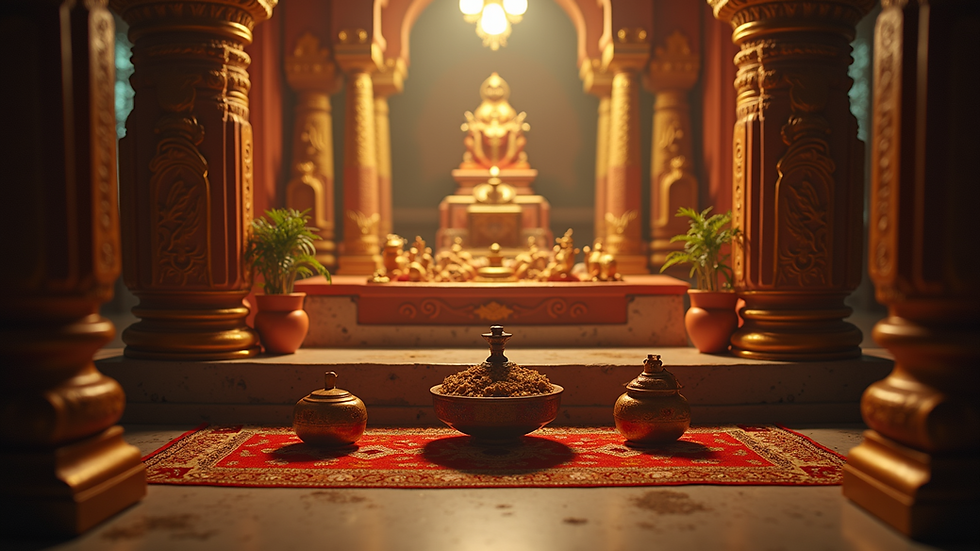
Key Hindu Spiritual Ceremonies and Their Significance
Several Hindu spiritual ceremonies are widely practiced. Each has its own significance and set of rituals. Here are some of the most important ones:
Puja: A daily or special worship ritual to honor a deity. It involves offerings like flowers, fruits, incense, and lamps.
Havan or Homam: A fire ritual where offerings are made into a sacred fire. It is believed to purify the environment and the participants.
Satyanarayan Katha: A story-telling ceremony dedicated to Lord Vishnu, performed for prosperity and well-being.
Vivah (Marriage Ceremony): A sacred union of two individuals, involving various rites to bless the couple.
Namkaran (Naming Ceremony): The ritual of naming a newborn, invoking blessings for the child’s future.
Antyeshti (Funeral Rites): Ceremonies performed to honor the deceased and aid their soul’s journey.
Each ceremony has specific mantras, materials, and procedures. These are often detailed in ancient scriptures and passed down through generations.
What are some common Hindu offerings?
Offerings are central to Hindu spiritual ceremonies. They symbolize devotion, gratitude, and surrender to the divine. Common offerings include:
Flowers: Especially marigold, lotus, and jasmine, used for their fragrance and purity.
Fruits: Seasonal and fresh fruits like bananas, coconuts, and mangoes.
Incense sticks (Agarbatti): To create a fragrant atmosphere and purify the air.
Lamps (Diya): Usually oil lamps, symbolizing light and knowledge.
Sweets (Prasad): Distributed after the ceremony as blessed food.
Water and Milk: Used for purification and as offerings to deities.
Rice and Grains: Symbolize abundance and sustenance.
These offerings are arranged neatly on a plate or in a basket. The choice of offerings may vary depending on the deity and the occasion.

How to Prepare for a Hindu Spiritual Ceremony
Preparation is key to a successful ceremony. Here are practical steps to follow:
Select the Ceremony Type: Identify the ceremony based on the occasion or need.
Consult a Priest: A qualified priest can guide you on the rituals, mantras, and materials required.
Gather Materials: Collect all necessary items like flowers, fruits, lamps, incense, and holy water.
Clean the Space: The area where the ceremony will take place should be clean and peaceful.
Dress Appropriately: Traditional attire is preferred to show respect and maintain sanctity.
Invite Participants: Family and friends can join to share blessings and joy.
Follow the Rituals: Perform the steps as instructed by the priest or religious texts.
Distribute Prasad: Share the blessed food with all attendees.
Proper preparation ensures the ceremony is meaningful and spiritually uplifting.
Benefits of Participating in Hindu Spiritual Ceremonies
Engaging in these ceremonies offers many benefits:
Spiritual Growth: Deepens your connection with the divine and your inner self.
Community Bonding: Strengthens ties with family and community members.
Mental Peace: Rituals and prayers help reduce stress and bring calmness.
Cultural Preservation: Keeps ancient traditions alive for future generations.
Blessings and Prosperity: Invokes divine grace for health, wealth, and happiness.
Regular participation can enrich your life and provide a sense of purpose and belonging.
Accessing Professional Hindu Religious Services
For those seeking expert guidance, professional hindu religious services are invaluable. Platforms like PANDITJIPUNE connect you with qualified priests who speak multiple languages and understand diverse customs. They also provide essential puja materials, making it easier to perform ceremonies anywhere in the world.
Using such services ensures authenticity and convenience. It helps maintain the sanctity of rituals and supports the global Hindu community in preserving their cultural heritage.
By understanding and embracing Hindu spiritual ceremonies, you honor a timeless tradition. Whether for personal milestones or festive occasions, these ceremonies bring meaning and joy. With the right knowledge and support, anyone can participate fully and respectfully in these sacred practices.


Comments